
ALIPLAST: circular plastics for the ceramic industry
For over forty years, Aliplast has been a leading name in the regenerated plastics supply chain, developing tailor-made solutions for sectors with high-intensity logistics and production processes.
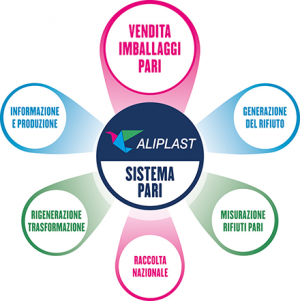
For over forty years, Aliplast has been a leading name in the regenerated plastics supply chain, developing tailor-made solutions for sectors with intensive logistics and production processes. One such sector is the ceramic tile industry, to which Aliplast offers a dedicated service designed to meet its specific packaging needs in terms of performance, sustainability and production continuity.
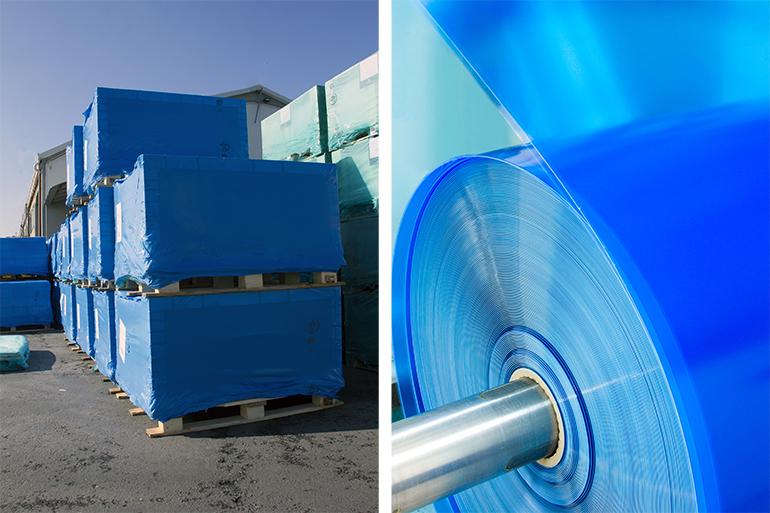
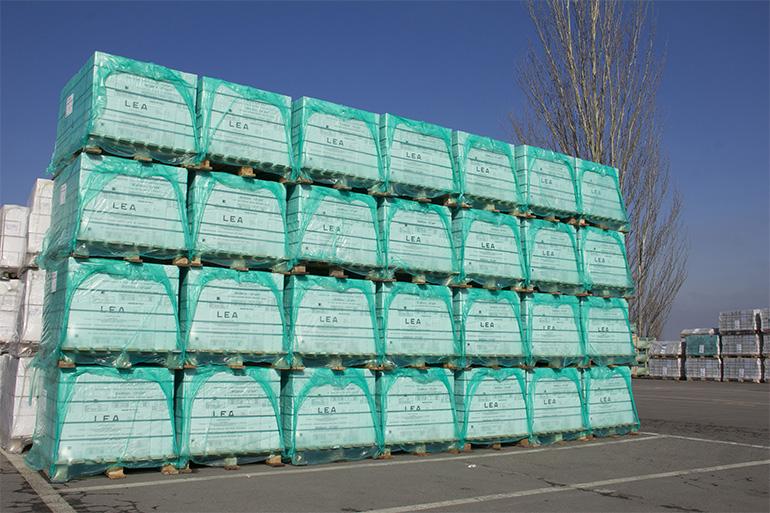
Aliplast provides over 90% of companies located in Italy’s world-leading ceramic tile cluster with plastic waste recovery and management services and more than 60% with heat-shrink film, which is used both in palletising and protecting finished products and in intermediate stages of tile processing. The company’s longstanding relationship with the sector is founded on a closed-loop industrial model aimed at creating an efficient, traceable supply chain fully compliant with European environmental regulations.
At the heart of this model is a system called PARI (Independent Packaging Collection Plan), an officially recognised EPR scheme that enables Aliplast to directly manage the recovery and regeneration of the plastic film used for packaging. Through PARI, client companies bypass the traditional consortium circuit and entrust materials directly to Aliplast, which guarantees their recovery and return to the production process as high-quality secondary raw materials.
This approach offers tangible, measurable benefits: cost savings through the PARI contribution, which replaces the CONAI environmental charge (set at €258 per tonne for “band 2” plastics, i.e. low-density polyethylene, from 1 July 2025), along with management and environmental advantages thanks to full control of the packaging cycle, transparent flow tracking and demonstrable circularity.
The model is perfectly suited to the ceramic industry, where large volumes and high packaging standardisation make direct material recovery especially efficient.
But the effectiveness of Aliplast’s model extends well beyond Italy. Subsidiaries in Poland and Spain apply the same circular model in major European manufacturing districts such as that of Castellón de la Plana, where many of Spain’s ceramic tile manufacturers are based. Here, as in Italy, Aliplast integrates the collection of industrial plastic waste with the production of new technical films containing high percentages of regenerated material, meeting the performance standards necessary for ceramic logistics processes and complying with local environmental regulations.
The combination of an industrial scale, technical know-how and a direct presence in production areas is one of the key strengths of Aliplast, which supplies not just a product but a complete circular packaging management service. Every stage, from on-site collection to sorting and regeneration in its European plants and the delivery of new film, is handled entirely in-house to ensure maximum transparency and consistent quality.

Did you find this article useful?
Join the CWW community to receive the most important news from the global ceramic industry every two weeks










Read more